
The complete guide
H1 Halogen Headlight Globes: A Practical Buyer's Guide
The slow fade nobody notices
Headlight globes rarely die in a dramatic way. They dim. A globe that threw a clean pool of white light down the road when the car was new drifts, over a couple of years of night driving, into something yellower and shorter. Because it happens slowly, your eyes adjust along with it. Most people only realise how far things slipped when they fit a fresh pair and drive the same stretch of road again.
That is the main reason people go looking for the best h1 halogen headlight globes. Not because something broke, but because the view out the windscreen at night stopped feeling right. The other reason is simpler. One globe blew, and now there is a dark side to the car.
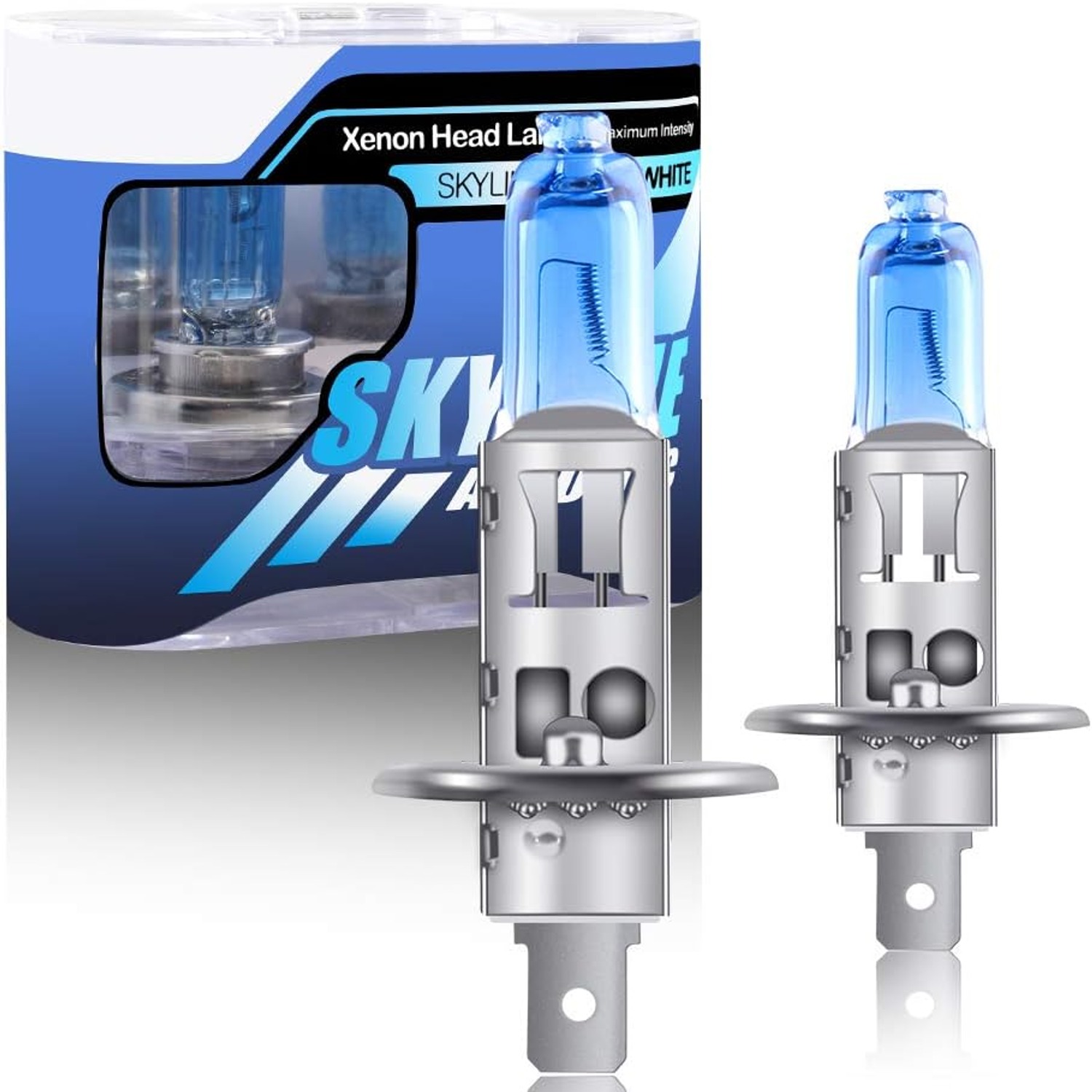
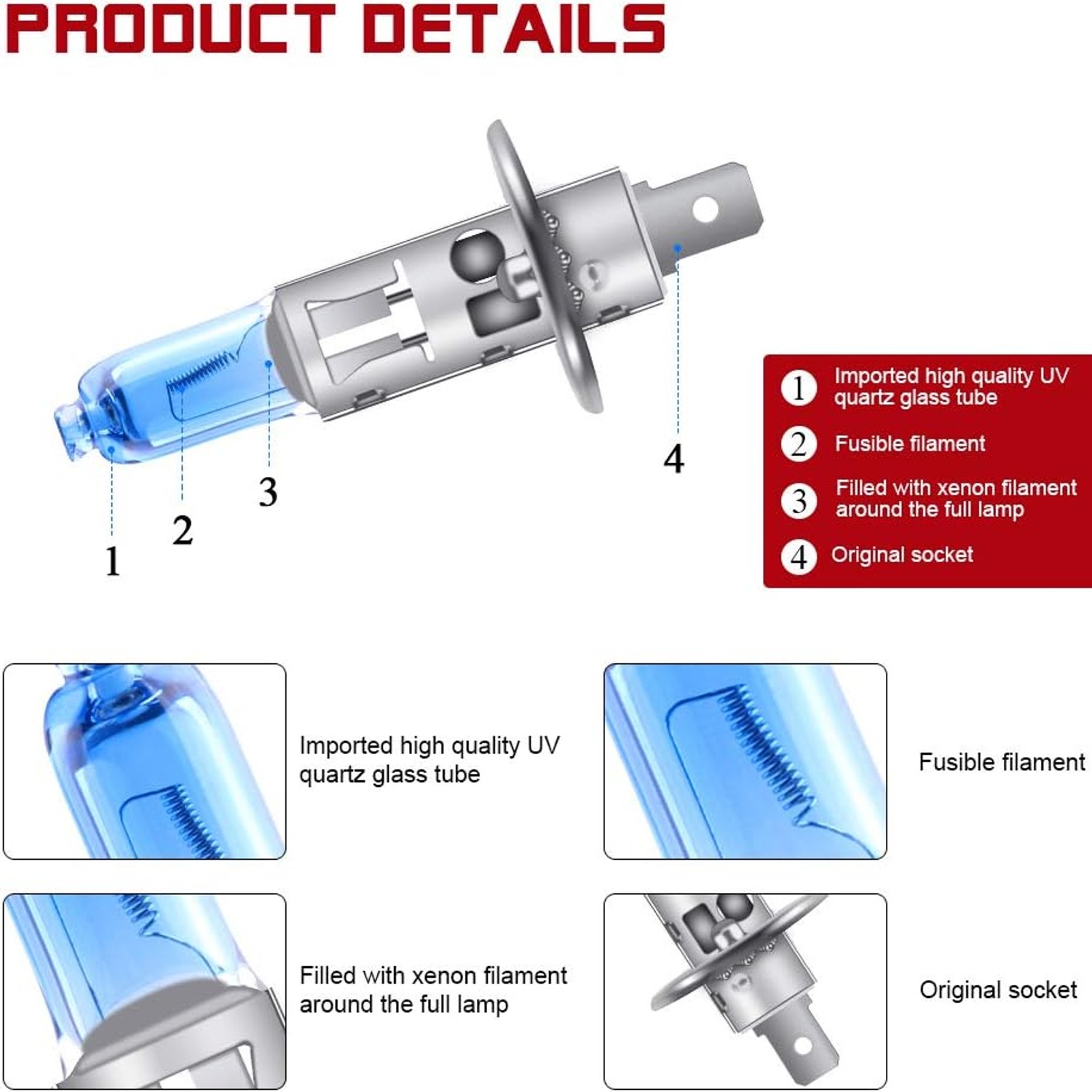
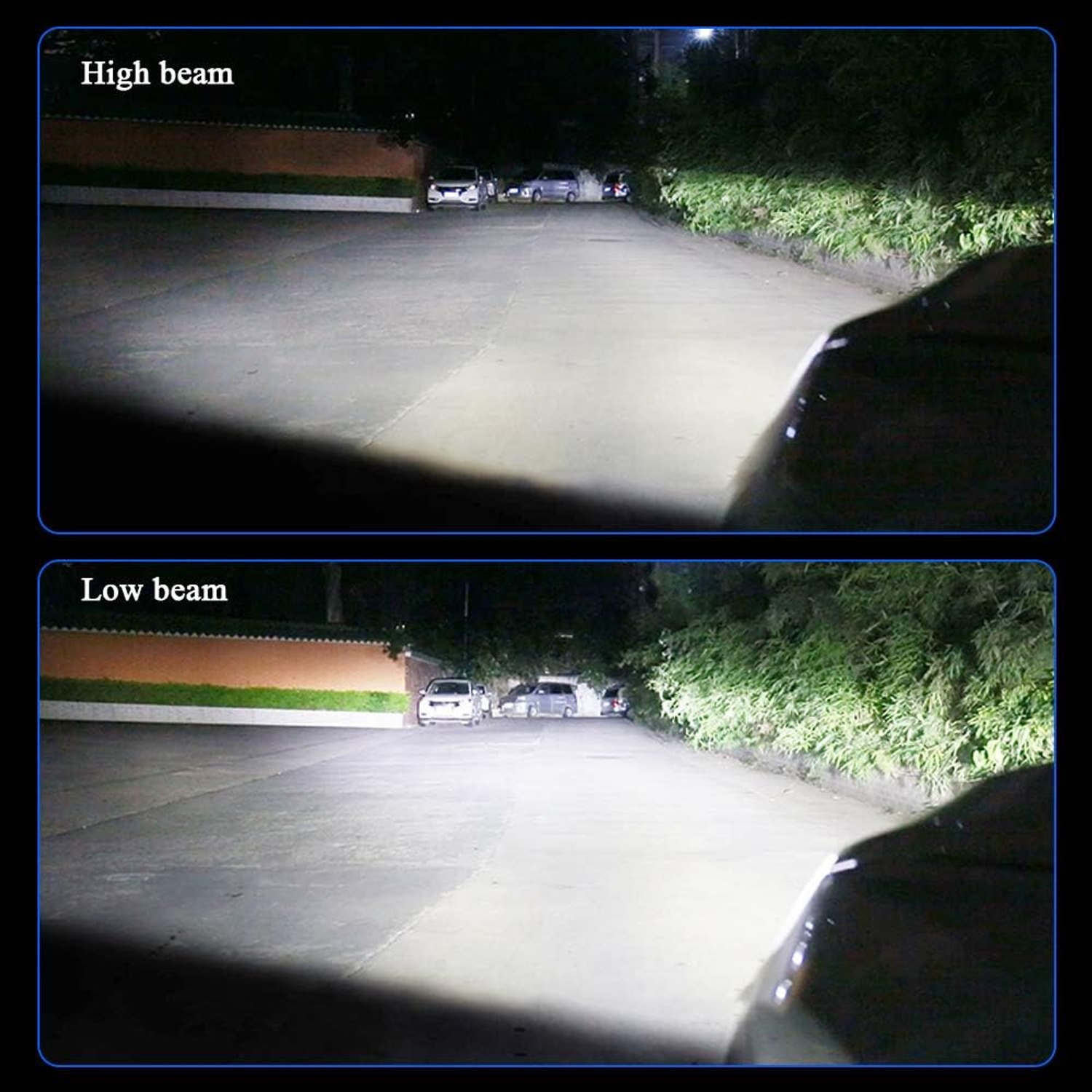
This pack covers both situations. Two 12 volt, 55 watt H1 globes, with quartz glass and a blue top coat that gives the light a 5000K white tint. They plug into the original H1 socket, so there is no wiring work involved.
What H1 actually means
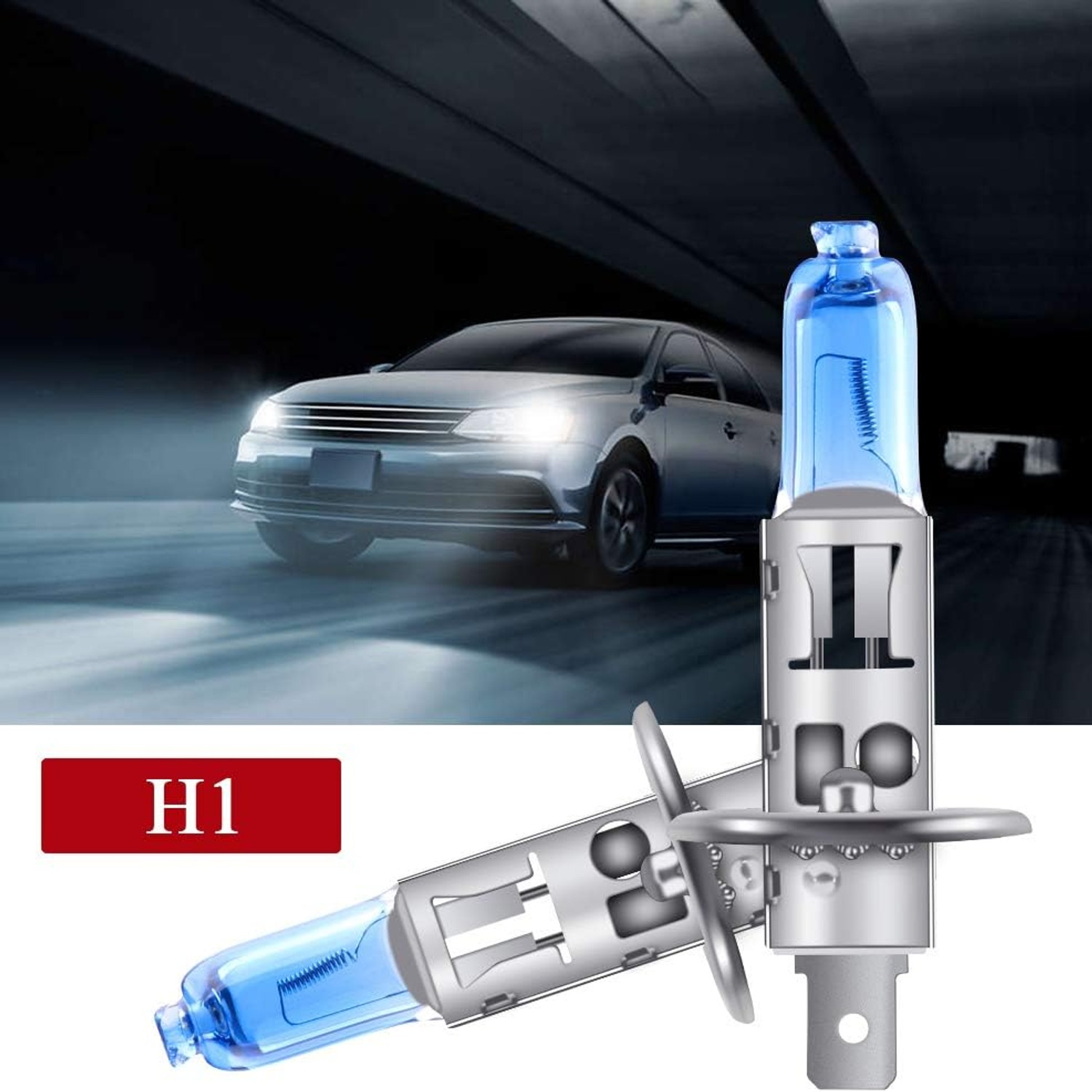
H1 is a fitting type.
An H1 globe has a single filament. That matters, because it means one globe does one job. In a car with separate high and low beam housings, the H1 might be the high beam, the low beam, or in some setups both positions use H1 globes in different reflectors. Compare that to an H4, which has two filaments and handles both beams from one globe.
You can confirm your fitting in about thirty seconds. Open the bonnet, pull the dust cover off the back of a headlight, and look at the metal base of the globe. The marking is printed or stamped there. The bulb chart in the owner manual will say the same thing. We fit by fitting type only, which is why we always point back to those two sources rather than guessing from a make and model.
Why the glass looks blue
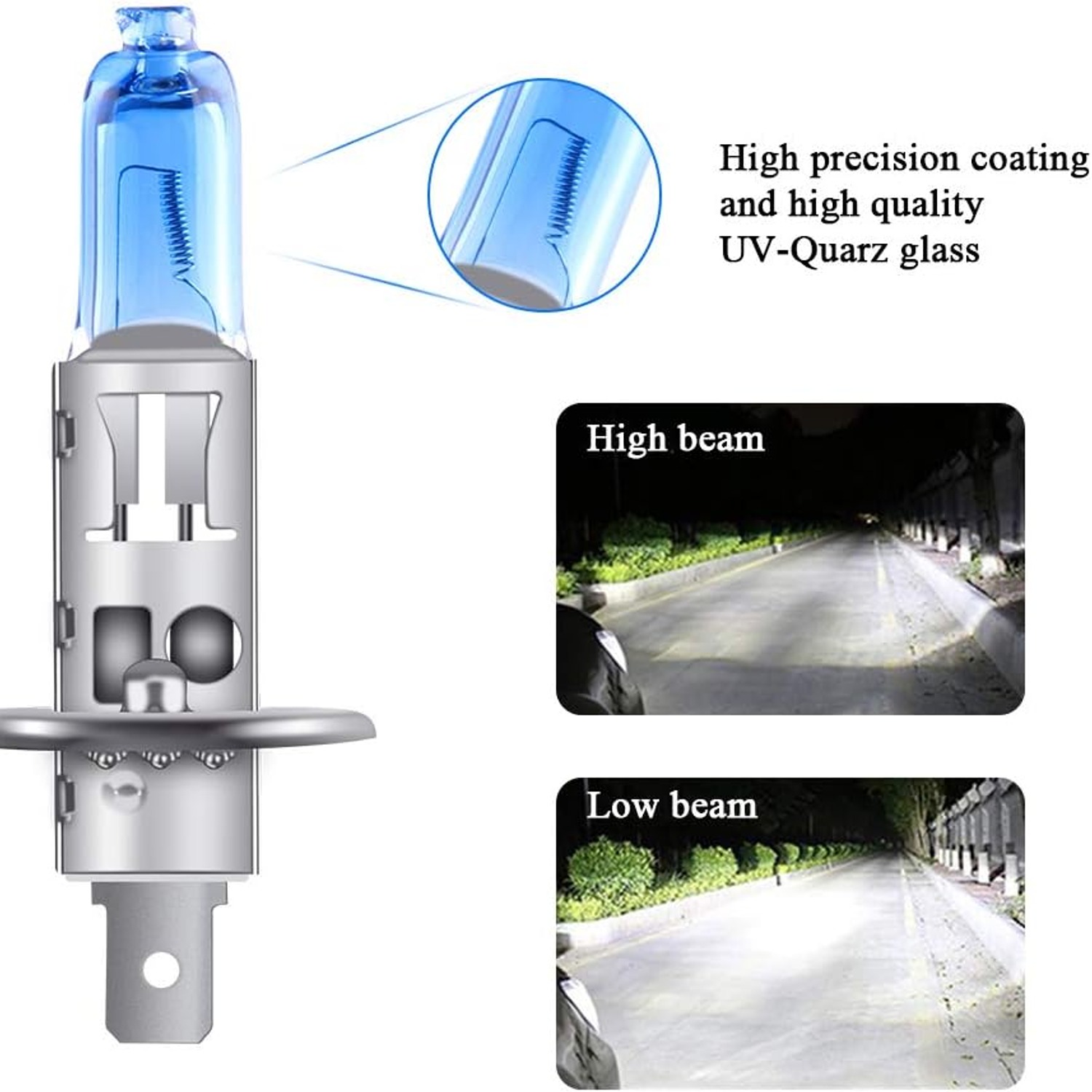
Pick one of these globes up and the glass looks tinted. Switch it on and the light looks white. That is the top coat doing its job.
Plain halogen light has a warm, slightly yellow cast. The coating on the quartz glass filters part of that warmth out, which shifts the apparent colour towards the 5000K figure listed in the specs. Kelvin is a colour measurement, not a brightness one. A 5000K globe is not automatically brighter than a warmer globe, it just reads as whiter to your eye.
Plenty of drivers prefer that whiter look. It feels closer to daylight, and road signs and painted lines tend to pop a bit more against dark bitumen. It is a preference thing rather than a performance claim, and we are not going to dress it up as anything more than that.
Who this suits
If you drive a 12 volt car or ride a 12 volt motorcycle with an H1 headlight, this pack is a straight replacement. It suits people who want to refresh tired globes, people who just had one blow, and people who like keeping a spare set in the boot.
It is not for you if your vehicle runs 24 volts, like many trucks do. A 12V globe on a 24V supply will not last. It is also not for you if your housing takes a different fitting. H7 looks vaguely similar to someone who has never swapped a globe, but the bases are not interchangeable and forcing the issue just damages the holder.
One more group worth mentioning. If you specifically need a globe carrying an approval marking for your situation, check what is on your current globe and talk to us first.
How to choose between globe options
There are really only a few decisions to make.
The first is fitting, and that one is not a choice at all. Your housing takes what it takes.
The second is wattage. Staying with the standard 55 watt rating for an H1 keeps the globe working within the range the wiring, connector and reflector were built around. Higher wattage globes push more heat into a housing that may not have been designed for it, and the plug is often the first thing to suffer. For most drivers the sensible call is to match the original rating.
The third is colour. A warmer globe looks yellower and some people find it easier on the eyes in fog or heavy rain. A 5000K globe like this one looks white and modern. Neither is objectively correct.
The fourth, and the one people skip, is quantity. Buy in pairs. Globes on the same car have done the same hours, so when one fails the other is usually close behind. Fitting both at once also keeps the colour matched from side to side, which stops that odd look where one headlight is visibly whiter than the other. Anyone comparing a best pair of headlight globes against a single globe is usually better off with the pair for exactly this reason.
Fitting them without ruining them
The job itself is straightforward on most cars. Ten minutes, often with no tools. Open the bonnet, remove the dust cover behind the headlight, release the wire retaining clip, unplug the old globe, slide the new one in, clip it, plug it, cover it. Some cars make it harder by burying the headlight behind an air intake or a battery, and in those cases a quick look at a workshop guide for your model saves a lot of swearing.
There are two rules worth taking seriously.
Do not touch the glass with bare fingers. Oil from your skin leaves a residue that becomes a hot spot once the globe heats up, and that can shorten the globe's life considerably. Hold it by the metal base, or use a clean cloth or a glove. If you slip and touch the glass, wipe it down with methylated spirits on a lint-free cloth and let it dry fully before fitting.
And let everything cool first. These globes get very hot when lit, and they stay hot for a while after you switch off. Give the headlight a few minutes before you reach in.
Once both sides are in, check the aim against a flat wall or garage door. You should not need to adjust anything if you only swapped globes, but it is an easy sanity check in case something got nudged.
Looking after them
There is not much ongoing care with a headlight globe, but a few habits help.
Keep spares in their packaging rather than rattling around loose in a toolbox, where the glass can scuff against metal. Store them somewhere dry. If you ever pull a globe out and plan to reuse it, handle it by the base the same way you would a new one.
Clean the outside of the headlight lens occasionally too. A yellowed, hazed lens throws away a fair bit of light before it ever reaches the road, and no globe can fix that. A clear lens and a fresh globe work together.
The short version
This is a two pack of H1 halogen headlight globes, 12 volts, 55 watts, with a 5000K white tint from a blue top coat on quartz glass. They plug into the original H1 socket with no wiring changes, and suit 12 volt cars and motorcycles that use an H1 globe in the high beam or low beam.
Check your fitting on the old globe or in the manual before you order, since we match on fitting type rather than vehicle. Fit them in pairs, keep your fingers off the glass, and let the headlight cool before you start. If you are not sure what you are looking at under the bonnet, send us the marking from your old globe and we will help you work it out.