
The complete guide
HB4 (9006) LED Conversion Bulbs, A Practical Buyer's Guide
The problem with tired halogen globes
Most people come looking for LED bulbs for one of two reasons. Either the old halogen globes have gone yellow and dim with age, or the yellow tone simply looks dated next to everything else on the vehicle. Halogen globes work by heating a filament, and that filament ages. The colour drifts warmer over time and the glass can cloud. On a paddock ute or a project car that has sat for a while, the difference between old globes and a fresh set is obvious.
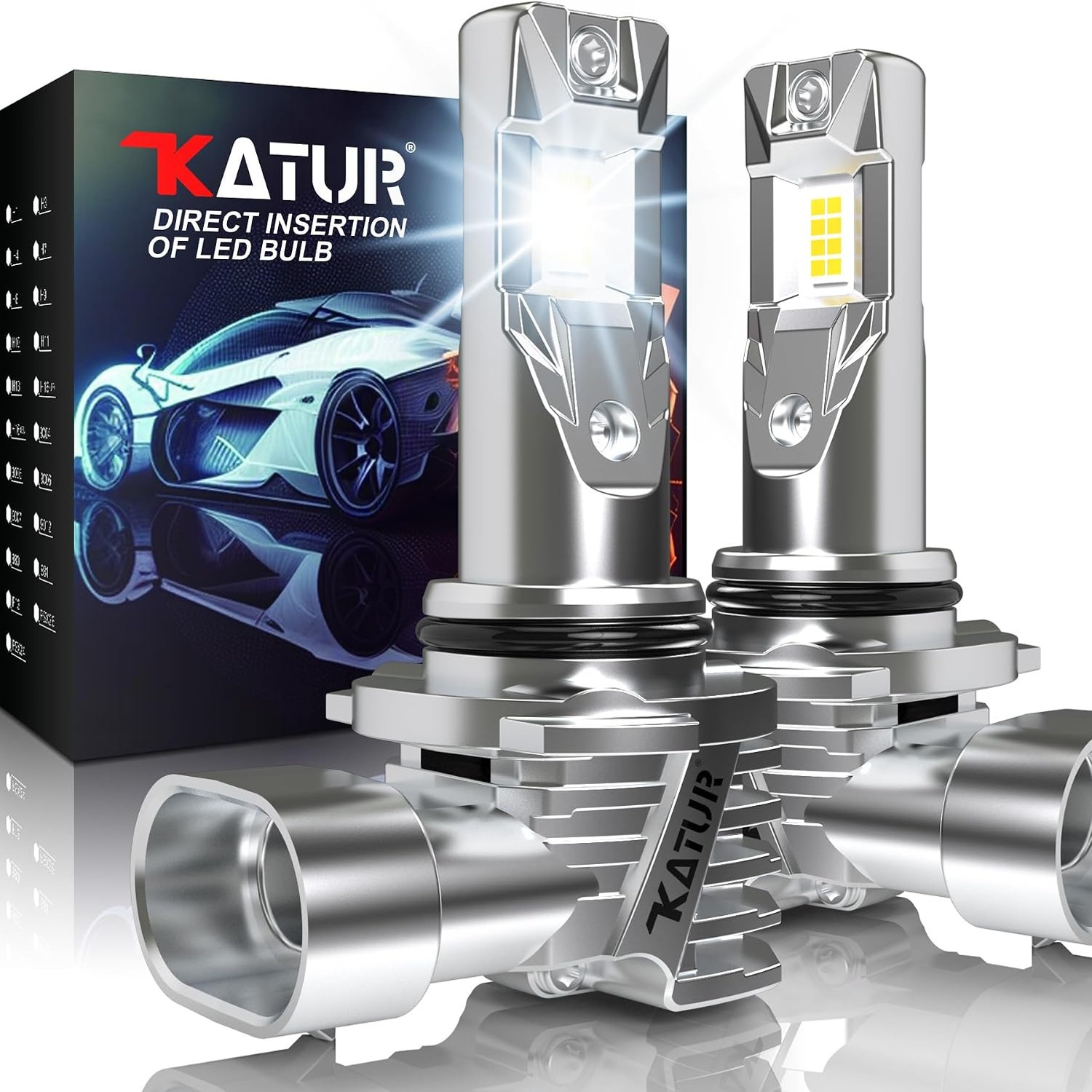
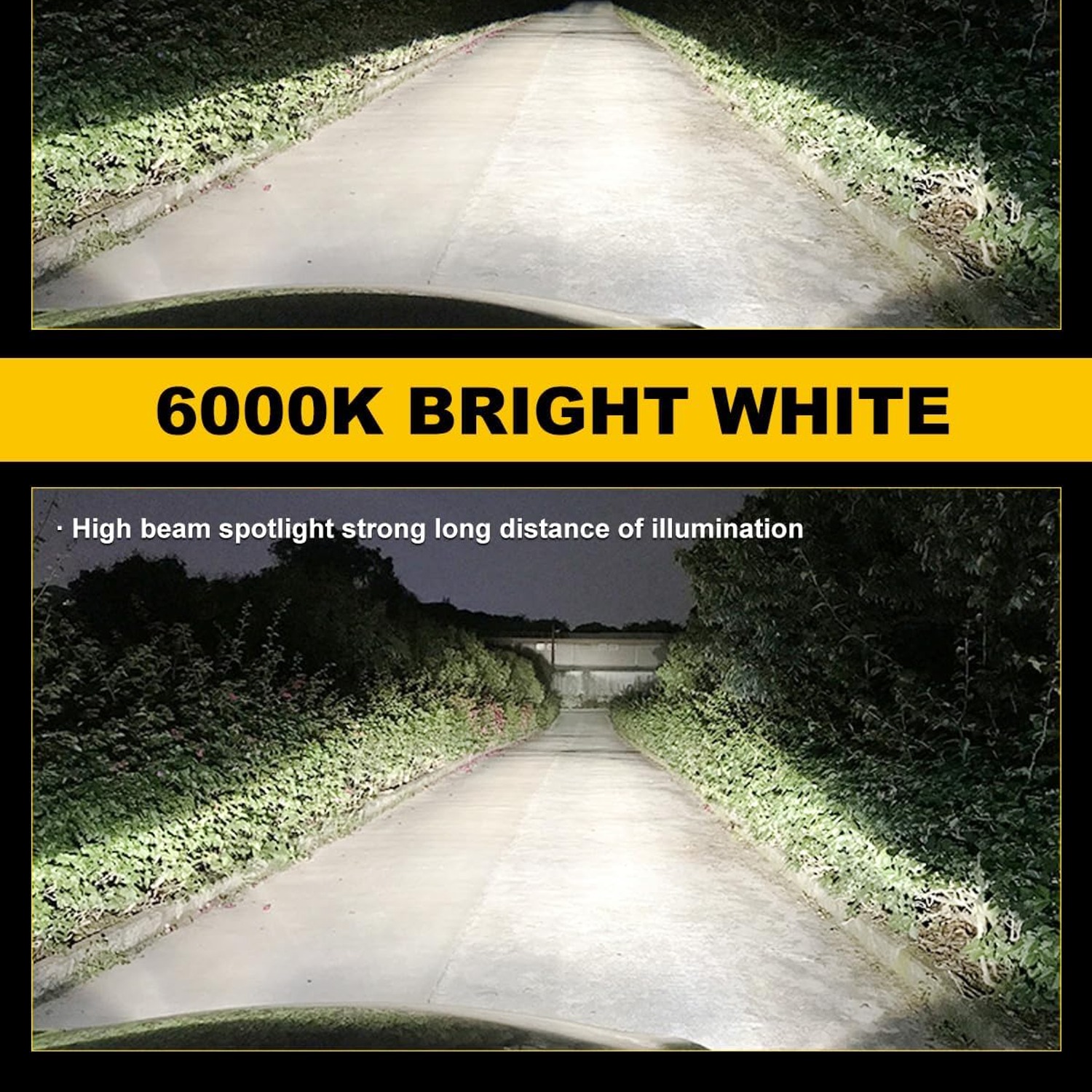
LED conversion bulbs are the common answer. They swap into the same fitting, run cooler at the lens, and give a white light instead of a yellow one. This particular set covers the HB4 fitting, which is the same thing as 9006, and runs at 6000 Kelvin for a clean white tone.
The legal bit, said plainly
Here is the part we put near the top on purpose. In Australia, fitting LED bulbs into headlight housings that were designed and built for halogen globes is generally not permitted on public roads. A halogen housing has a reflector or lens shaped around the exact position and shape of a filament. An LED chip is a different shape in a different spot, and the rules reflect that.
So this set is sold for off-road, show and private property use. Farm vehicles that stay on the property, track cars, display builds, paddock bashers and project cars that have not seen a registration sticker in years. We make no claim that these bulbs are approved for road use, and we will not dress it up. If you need globes for a registered vehicle driven on public roads, this is not the product for you, and we would rather you knew that before you spent the money.
How an LED conversion bulb works
A halogen globe is simple. Current heats a wire, the wire glows. An LED bulb is a small semiconductor that emits light when current passes through it, which is much more efficient but produces heat in a different place. In a halogen globe the heat radiates out through the glass. In an LED bulb the heat builds up at the base of the chip and has to be pulled away, or the chip's output drops off.
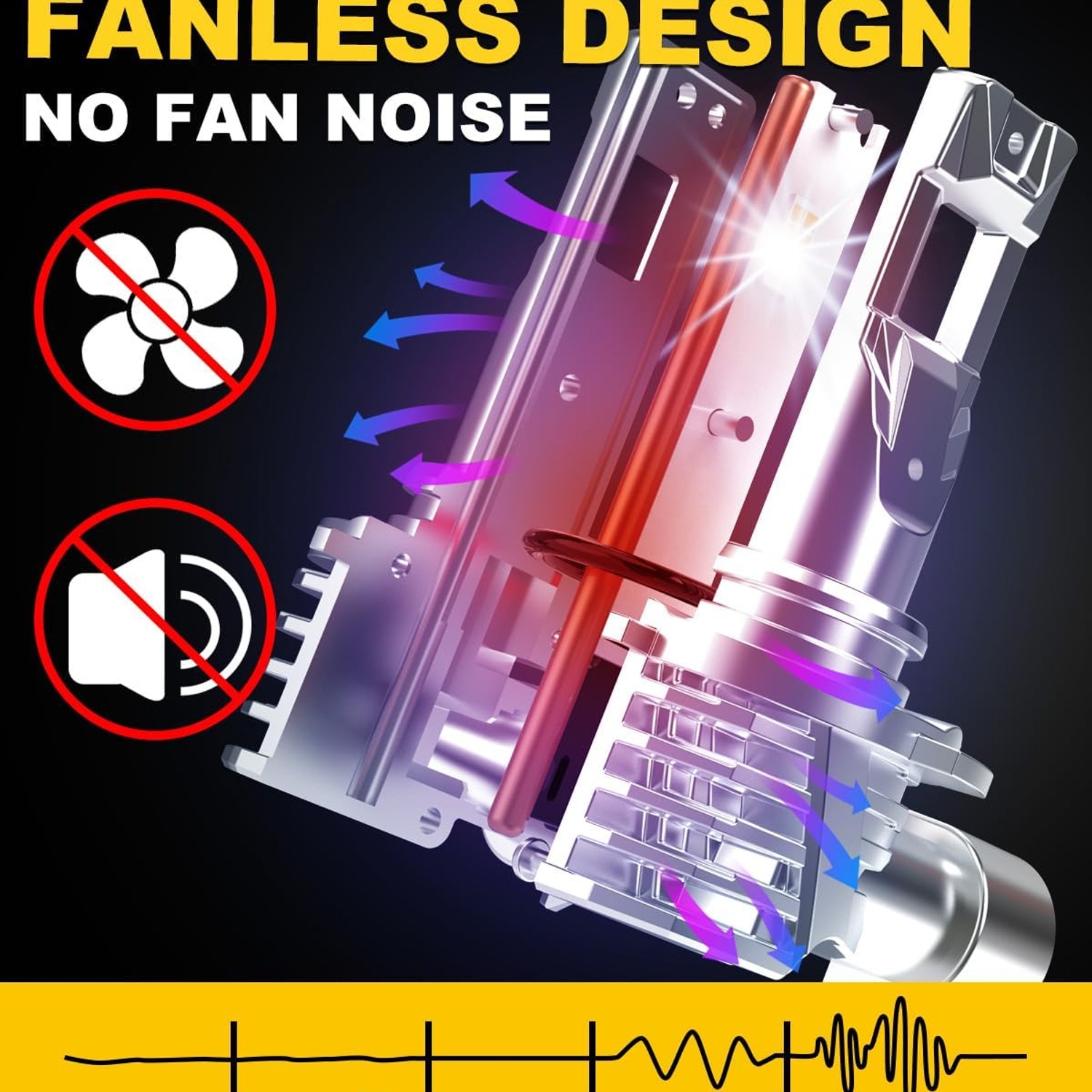
That is why every LED headlight bulb has some kind of cooling attached. Older designs used a small fan in a plastic housing. This set uses a full aluminium body instead. The metal draws heat out of the chips and sheds it into the air around the bulb. No fan means no whine, no dust clogging the blades and no motor to eventually give up. It does mean the bulb wants a bit of breathing space behind the headlight so air can move around it.
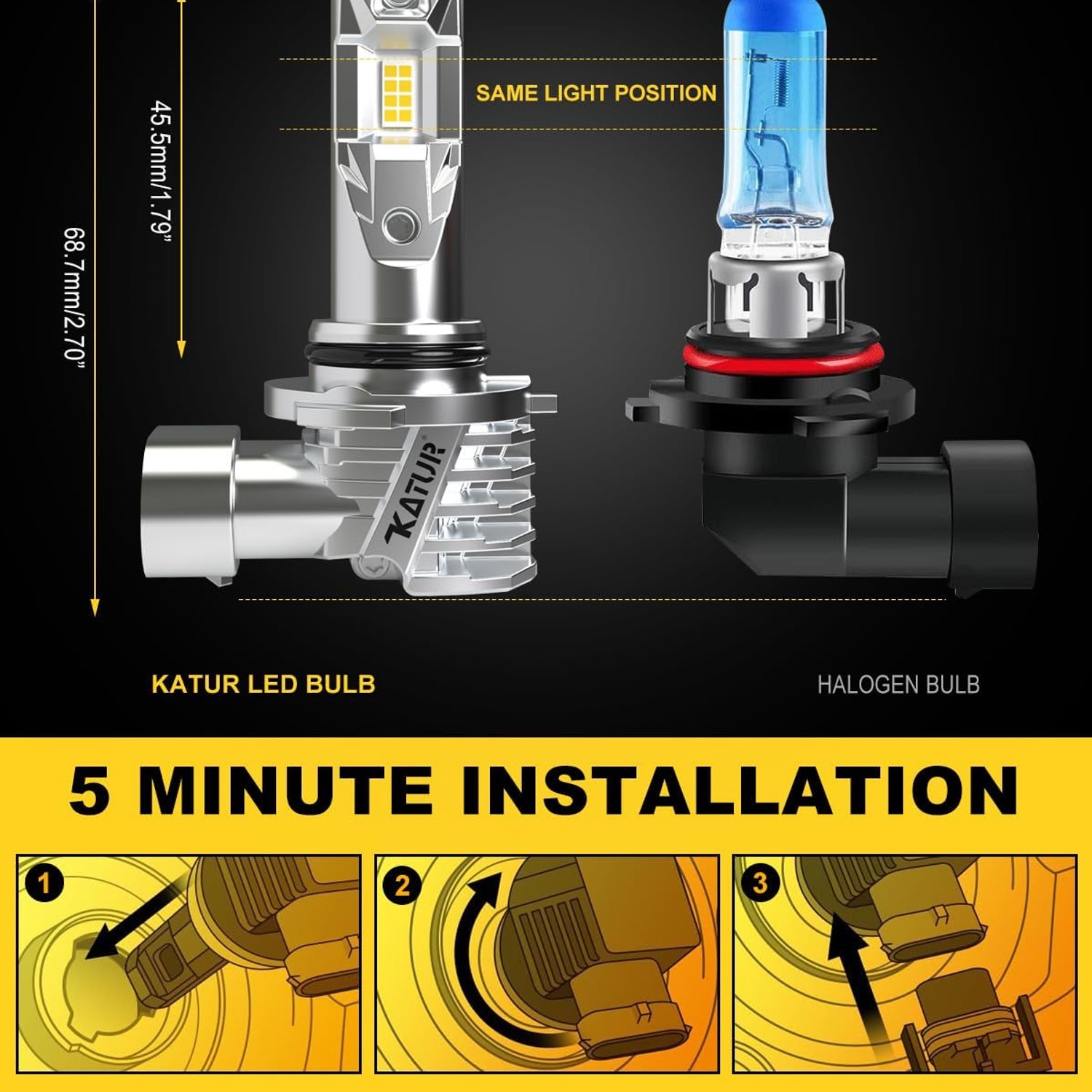
The other piece is the driver, the small circuit that feeds the LED the right current. Early conversion kits put this in a separate box on the end of a lead, which you then had to cable-tie somewhere sensible. This set builds the driver into the bulb body, so the whole thing is a single unit roughly the size of a halogen globe. For anyone working in a crowded engine bay, that is the difference between a ten minute job and an afternoon of finding somewhere to mount a box.
Reading the numbers on this set
A few specs are worth understanding rather than just scanning.
6000 Kelvin is the colour temperature. Lower numbers are warmer and more yellow, higher numbers go cooler and bluer. 6000K sits in the clean white range, which is why it is such a popular choice for show and off-road builds. It is a description of the tone of the light, not how much light there is.
40 watts per bulb is the power draw, so a pair pulls 80 watts total on a 12 volt supply. If you are running auxiliary circuits, a secondary battery or a small generator on a property vehicle, that is the figure to work with.
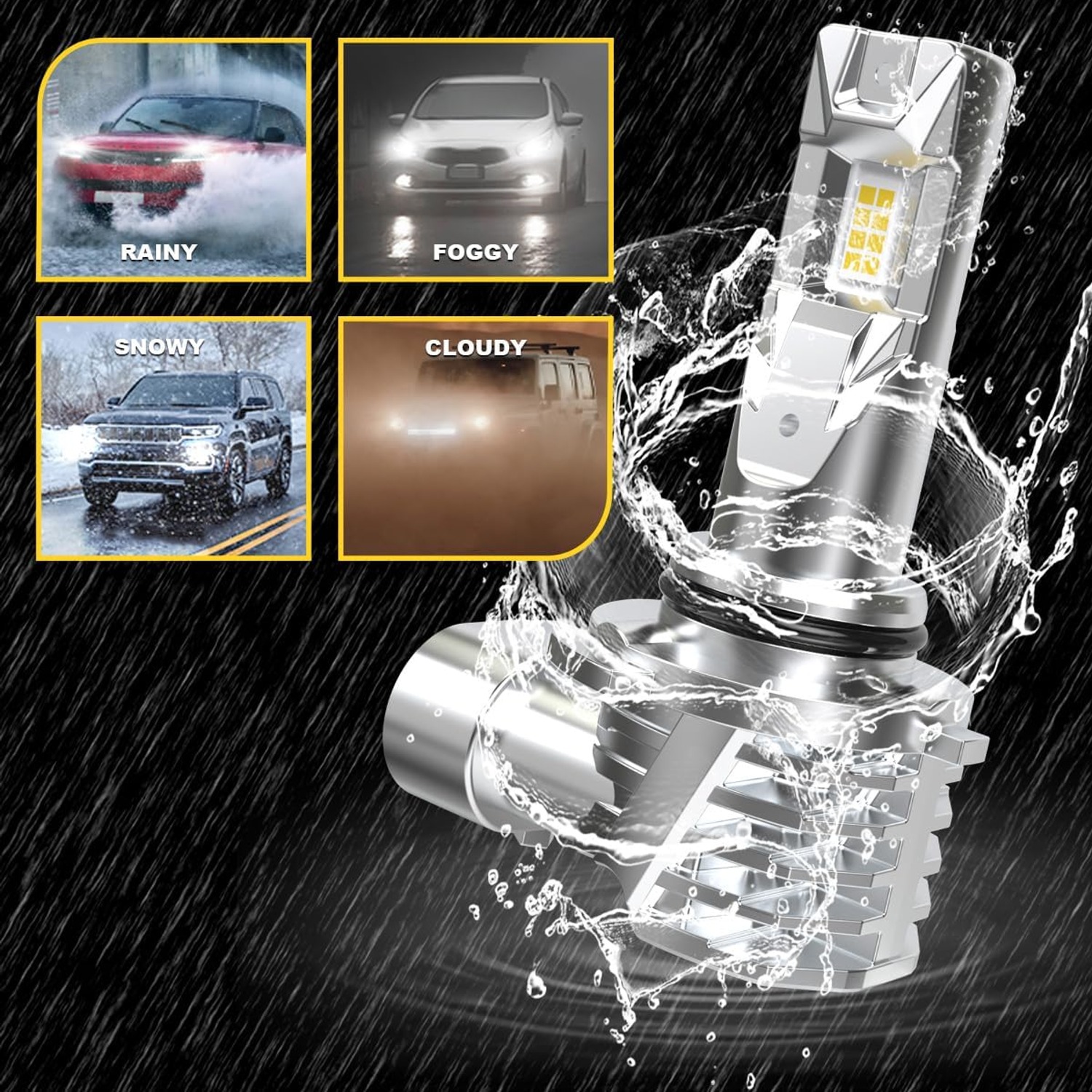
IP65 is the dust and water rating. The first digit, 6, means it is sealed against dust. The second, 5, covers water jets. For a vehicle that spends its life in dirt and gets hosed off, that rating matters more than most people realise.
150 g is the listed item weight, which tells you it is a light component and simple to post.
Who this set suits
If you have a project car in the shed with HB4 housings, this is a cheap way to make it look modern for a show weekend. If you run a ute around a farm or a quarry that never touches a public road, you get white light and no fan to fill with dust. If you build track cars, the compact body is easier to fit than a kit with an external ballast.
If your vehicle is registered and you drive it on public roads, buy proper replacement halogen globes instead, or look at a complete headlight unit designed for an LED source from the factory. That is the honest advice and it saves you grief.
How to choose, step by step
Start with the fitting. Pull the old globe out and look at the base, or check the housing marking. If it says HB4 or 9006, this set matches. If it says H11, H7, HB3 or anything else, it does not, and no amount of force will change that. Fitment here is by fitting type only. We cannot tell you it fits a named vehicle, because housings vary even within the same model.
Next, check the space. Open the back of the headlight and look at how much room sits behind the globe once the dust cover is on. A fanless bulb relies on airflow around its body. If the cover presses straight onto the back of the bulb, you may need a deeper cover or a different approach.
Then think about your vehicle's electrics. Some vehicles monitor the current each bulb draws and compare it to what a halogen globe should pull. An LED draws less, so the vehicle can report a bulb-out warning on the dash, or the light can flicker. A CANbus decoder solves that. It is a small module that plugs in between the connector and the bulb. One is not included here, so budget for a pair if you already know your vehicle is fussy about this sort of thing.
Finally, buy in pairs. Running one LED alongside one halogen globe gives you two different colour tones looking back at you, which looks worse than leaving both halogens in. This set comes as two for exactly that reason.
Fitting and looking after them
Disconnect power before you start. Pull the dust cover, release the retaining clip or twist the old globe free depending on your housing, and unplug it. The LED goes in the same way. Handle it by the metal base or the aluminium body rather than touching the chips or the lens area, and make sure it seats and locks properly rather than sitting loose.
Care after that is minimal. Keep the heat sink fins free of caked mud so air can still move. Wipe the body with a dry or barely damp cloth. Keep solvents, petrol and abrasive cleaners away from the body and the wiring. Let the bulb cool before you handle it if it has been running. If you pull a bulb out, keep grit out of the connector before you plug it back in.
The short version
This is a pair of HB4 (9006) LED conversion bulbs at 6000K, 40 watts each on 12 volts, fanless with an aluminium body, IP65 rated, with the driver built into the bulb so there is no external box. Listed item weight is 150 g.
It is sold for off-road, show and private property use, not for public roads in halogen housings. Check your fitting type, check the clearance behind the headlight, and be ready to add a CANbus decoder if your vehicle throws a bulb warning. Get those three things right and it is a quick, tidy upgrade for the right kind of vehicle.