
The complete guide
Choosing And Fitting HB4 9006 Halogen Headlight Globes
When your headlights stop pulling their weight
Headlight globes rarely die with any drama. They fade. The filament thins, the glass clouds slightly, and the light that used to reach a comfortable distance down the road creeps closer and closer to the bumper. Because it happens over a couple of years, your eyes adjust along with it. You just start driving a bit slower at night and assume the road is darker than it used to be.
The moment people notice is usually when one side finally quits. Suddenly there is a bright side and a dim side, and the difference is impossible to miss. That is the point at which most drivers go looking for a replacement 9006 headlight bulb, and it is also the point where the smart move is to change both sides, not just the one that failed. The other globe has done the same hours and is about to do the same thing.
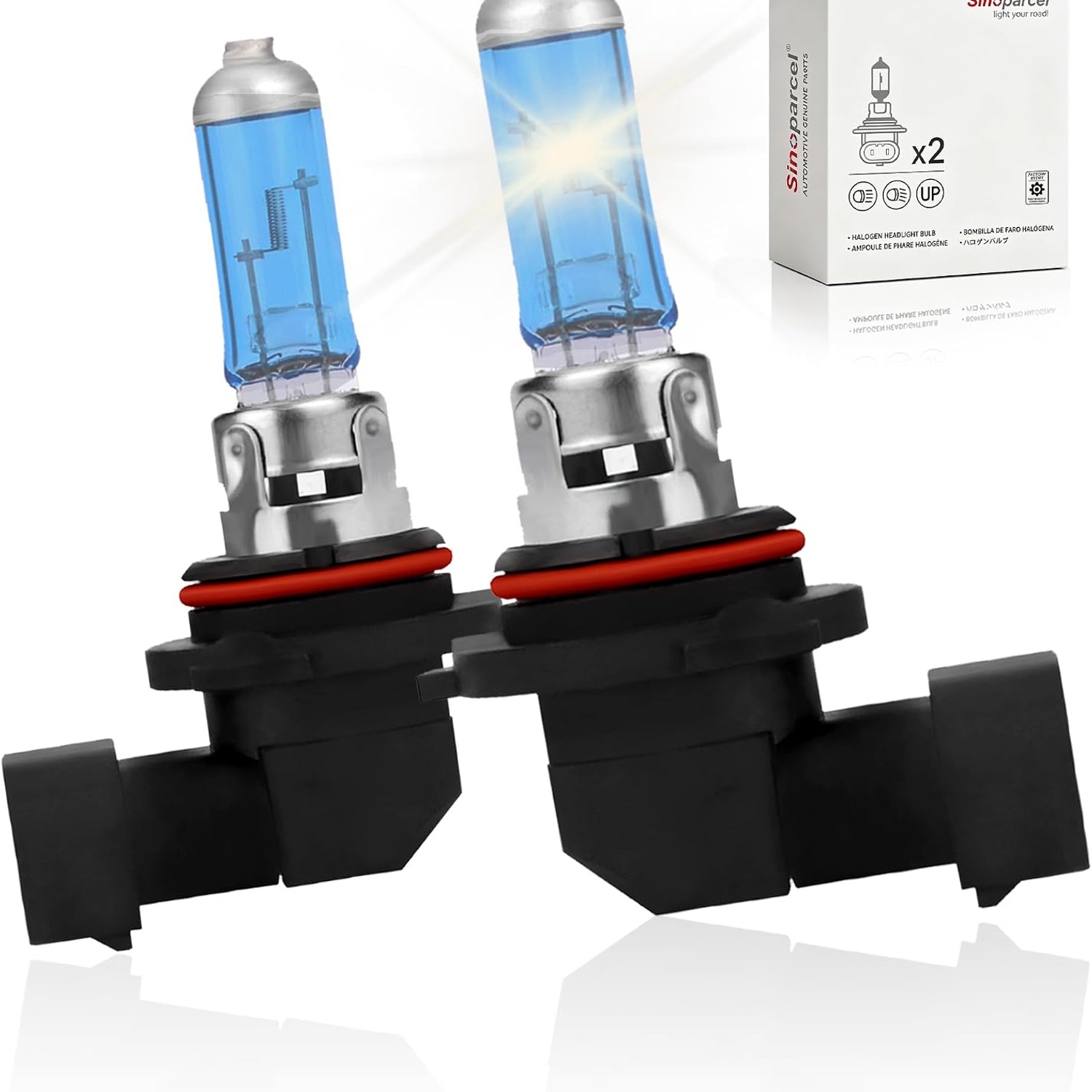
That is the whole reason this product is a pack of two. You get a matched pair of HB4 halogen globes, you do both headlights in one go, and the light across the front of the car stays even.
What HB4 actually means
HB4 and 9006 are two names for the same thing. HB4 is the common name used in Australia and Europe, 9006 is the American trade number, and P22d is the formal base code. All three describe one globe fitting with a specific plastic and metal base shape that locks into the socket in one orientation.
Getting this part right matters more than anything else on the page. Headlight globe bases are not interchangeable. An H11 will not go into an HB4 socket, a 9005 looks close but is not the same, and an H4 is a completely different twin-filament design. If the base is wrong, the globe either will not go in or will not sit correctly, and a globe that does not sit correctly throws the beam in the wrong direction.
So before you order anything, confirm the fitting. There are two reliable ways to do it. The first is to open your owner manual and find the lighting section, which lists the globe type for each position. The second, and the one I trust more, is to pull the old globe out and read what is printed on it. Manufacturers stamp the type on the base or etch it on the glass. If it says HB4, 9006 or P22d, you are in the right place.
One thing we will not do is tell you this fits a particular car. Fitment here is by fitting type only. We have no way to confirm what a specific year and model uses, and vehicles change globe types between trim levels and facelifts. Check the globe, not the badge on the boot.
Low beam, fog light, or both
HB4 shows up in two main places. On a lot of vehicles with four-globe headlight setups, HB4 handles the low beam while HB3 or 9005 handles the high beam. On others, HB4 sits in the fog light housing underneath the main headlight.
The globe itself does not care which job it is doing. The same hb4 fog light globe and the same low beam globe are the same part. What changes is the housing it goes into and the beam pattern that housing produces. That pattern is shaped by the reflector and the lens, not by the globe, so as long as you fit the correct type and seat it properly, the light goes where the designers intended.
The numbers that matter
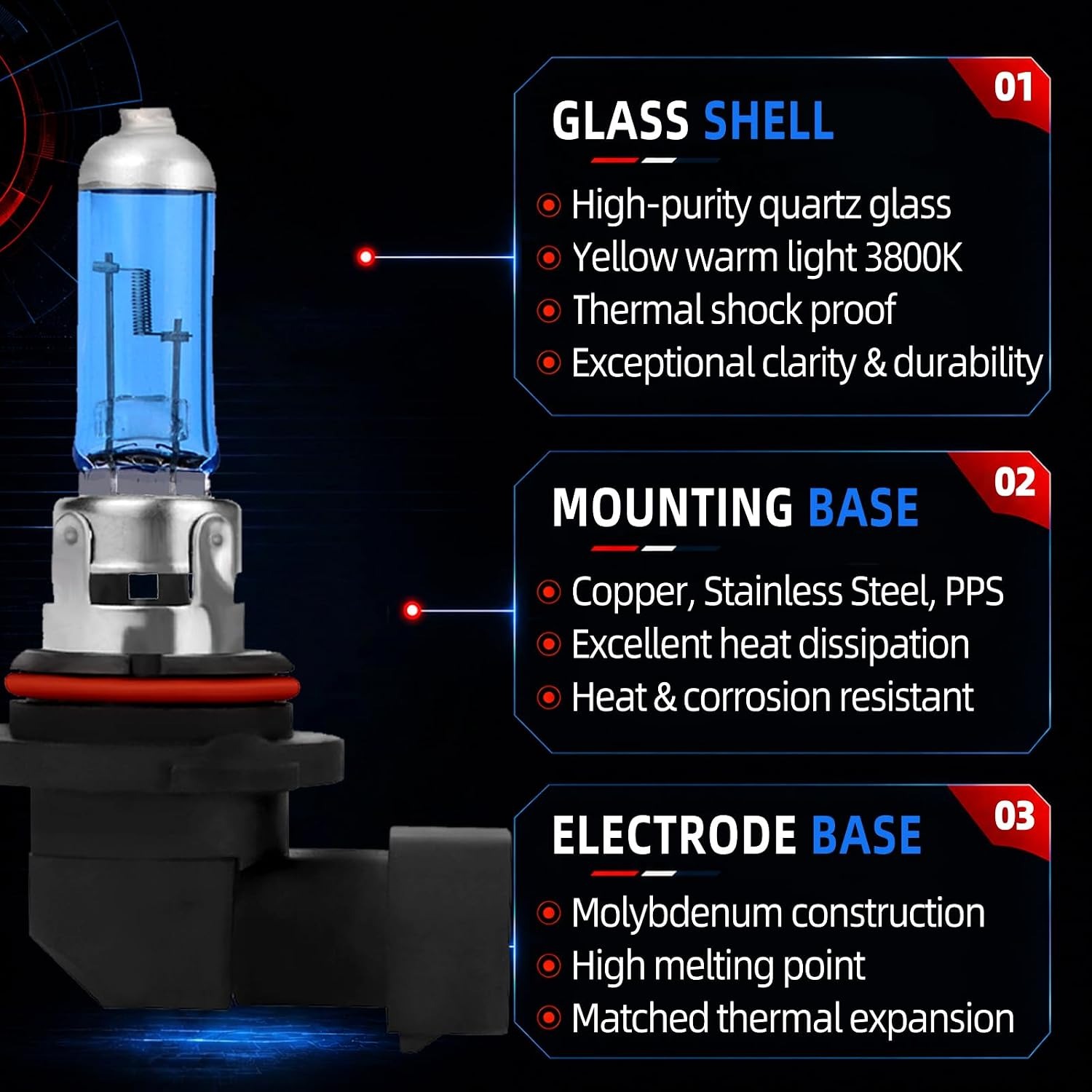
These globes run 55 watts at 12 volts. That is the standard rating for this base, which means they draw the same current as the globes most vehicles are fitted with at the factory. No wiring changes, no relays, no load concerns on a healthy 12 volt system. If your car is a 24 volt commercial vehicle, this is not the right globe.
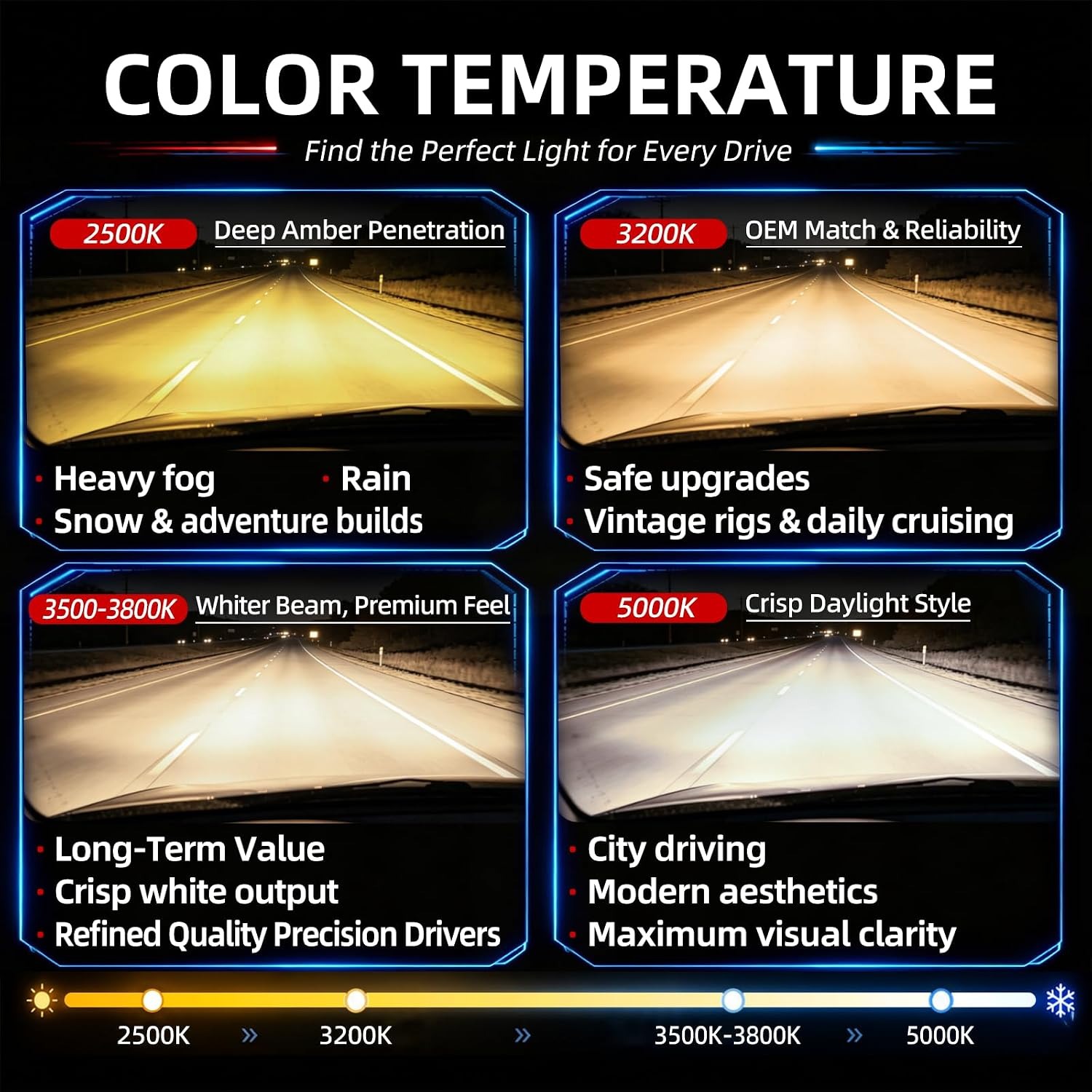
Colour temperature is about 4200 Kelvin. Kelvin is just a way of describing the tint of white light. Lower numbers look yellow, higher numbers look blue. Around 4200K sits in a clean white zone with a slight warm edge to it. It is noticeably whiter than an old globe that has yellowed with age, but it is not the blue-tinted look you get from heavily coated globes. For most drivers that is the sweet spot, because very blue light tends to scatter more in rain and fog and can actually make conditions harder to read.
Listed item weight is 40.3 grams.
About approvals
That is a deliberate choice rather than an oversight.
If you need a globe that carries a specific approval marking, which some owners do for inspections or for peace of mind, check what is stamped on your existing globe first and then contact us before you order. We can tell you what the packaging on this item actually shows, and you can make the call from there.
Fitting them yourself
On most vehicles this is a ten minute job per side and needs no tools for the globe itself.
Start with the engine off and the lights off, and give the old globe time to cool if the car has been running. A 55 watt halogen globe gets genuinely hot and stays hot for several minutes. Open the bonnet and find the back of the headlight housing. Some cars have a rubber or plastic dust cap over it, some have a clear run, and a few need the airbox or a washer bottle shifted out of the way first. Your manual will say.
Unplug the connector from the back of the globe. Then release the globe, which is usually either a quarter turn anticlockwise or a wire clip you push and swing aside. The globe comes straight out of the back of the housing.
Here is the part people skip. Do not touch the glass of the new globe with bare fingers. The oil from your skin stays on the quartz and creates a hot spot when the globe is running, which shortens its life. Hold it by the plastic base or the metal collar, or put on clean gloves. If you do touch the glass, wipe it with a clean cloth and a little methylated spirits before fitting.
Slide the new globe in, making sure the tabs line up and it seats fully. Twist or clip it to lock. Push the connector back on until it is firm. Refit any dust cap, because that cap keeps moisture out of the housing and a missing one leads to fogged lenses later. Then do the other side.
Switch the lights on before you close the bonnet and check both sides are working and look the same.
Looking after them
There is not much maintenance to a globe, but a few habits help. Keep the dust caps in place. Keep the lenses clean, because a hazy or yellowed lens robs more light than a tired globe does, and polishing it costs you nothing but an afternoon. Avoid leaving the headlights on while the engine is off and the battery is low, since voltage fluctuations are hard on filaments.
If you buy a spare pair to keep in the car, leave them in the packaging. A loose globe rolling around a toolbox picks up grease and chips.
The short version
HB4, 9006 and P22d all mean the same fitting, and you confirm it by reading the marking on your old globe or checking the owner manual. These are 55 watt, 12 volt halogen globes at around 4200 Kelvin, supplied as a pair so you can do both sides and keep the output even. They fit the original socket and usually go in without tools in under ten minutes a side. Keep your fingers off the glass, let the old globe cool first, and refit the dust cap when you are done.