
The complete guide
H3 Halogen Globes Buyer's Guide - Fitting, Colour and Fitting Tips
The problem with a tired globe
Most people do not replace a headlight globe because it failed. They replace it because one night they realised they could not see as far as they used to. Halogen globes dim slowly. The filament thins, the inside of the glass darkens a little, and the change happens over months, so your eyes adjust along with it. Then you drive a car with fresh globes, or a mate follows you home and mentions one side looks yellow, and suddenly it is obvious.
The same thing happens with fog lights and driving lights, usually worse, because those lamps sit low and cop stone chips, water and heat cycles. By the time a globe actually blows, the other one in the pair has normally had the same hard life.
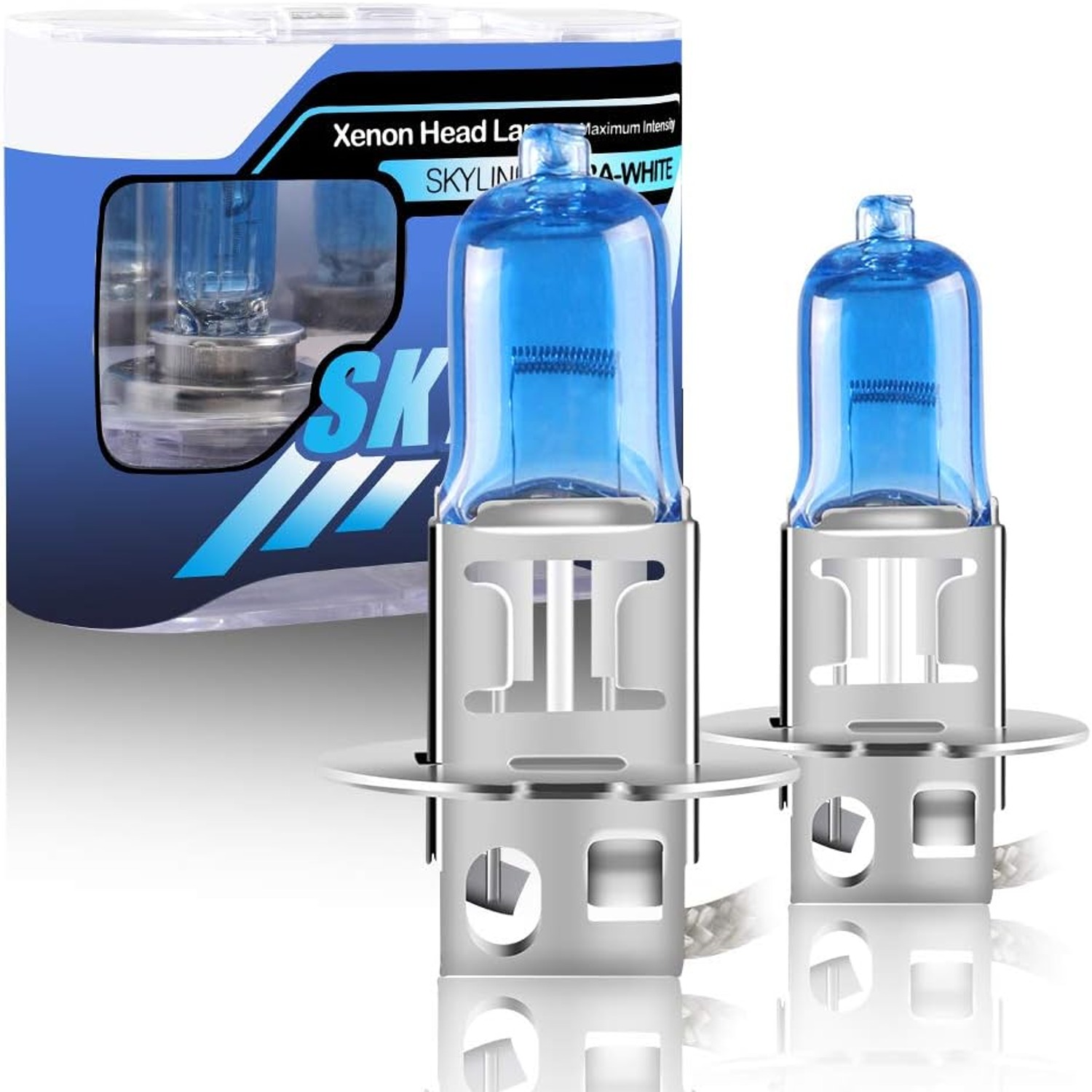
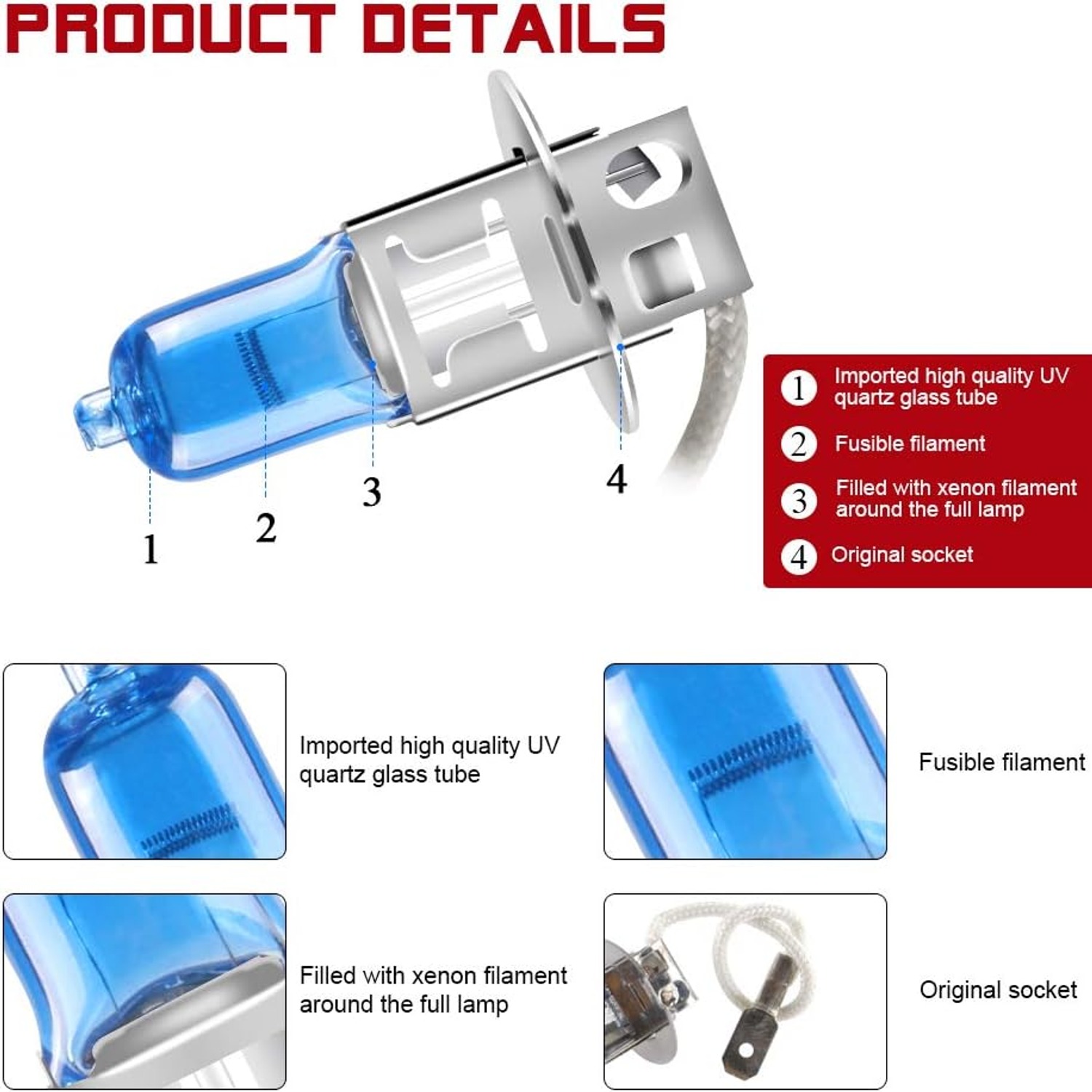
That is the gap these H3 halogen globes fill. Two globes, 12 volts, 55 watts each, with a quartz envelope that carries a blue top coat to shift the light colour toward a cooler white at 5000 Kelvin. They plug into the original H3 socket, so there is no wiring to modify.
What an H3 actually is
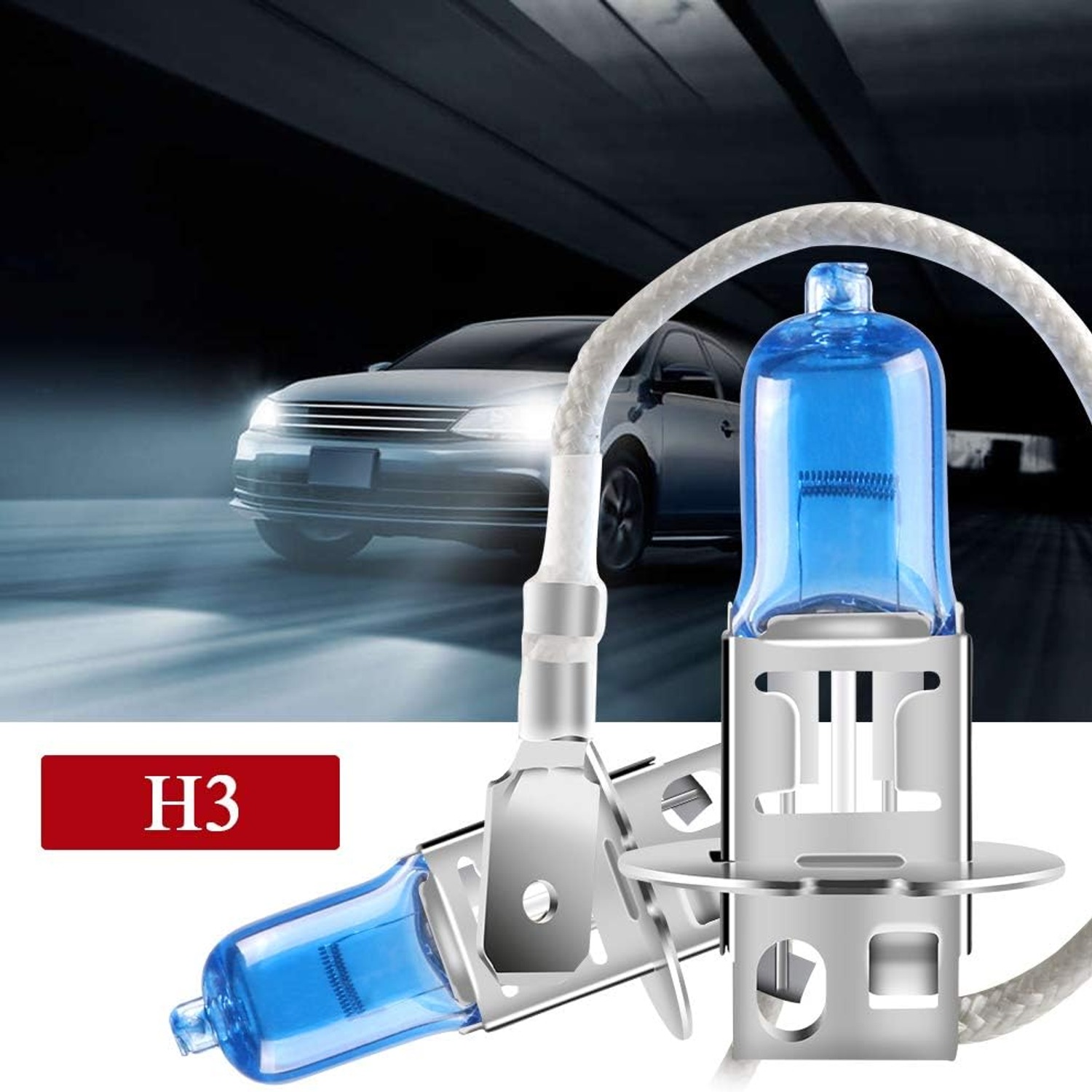
It describes a single-filament globe with a particular base shape and a short wire tail that ends in a spade connector. That tail is the easiest way to spot one. Most other common globe fittings have the contacts built into the base itself, but the H3 hangs a little lead out the back that pushes onto the vehicle's connector.
Because it is simple and compact, the H3 turns up in a lot of places. You will find it in the low or high beam of older headlight assemblies, in factory fog lights, and in a great many aftermarket driving lights and spotlights. If your vehicle has a separate round or rectangular lamp bolted to the bar or mounted below the bumper, there is a reasonable chance it runs an H3.
The important part for buying is that fitment here goes by fitting type and nothing else. We do not publish vehicle fitment lists. The right way to check is to take out the globe that is currently installed and read the marking stamped on its metal base. If it says H3 and your vehicle runs a 12 volt system, these will suit it physically.
Colour, and what 5000K really means
Colour temperature is measured in Kelvin, and the number works backwards from what most people expect. Lower numbers are warmer and more yellow. Higher numbers are cooler and more blue. A plain halogen globe usually sits somewhere around 3200K, which reads as a warm yellow-white.
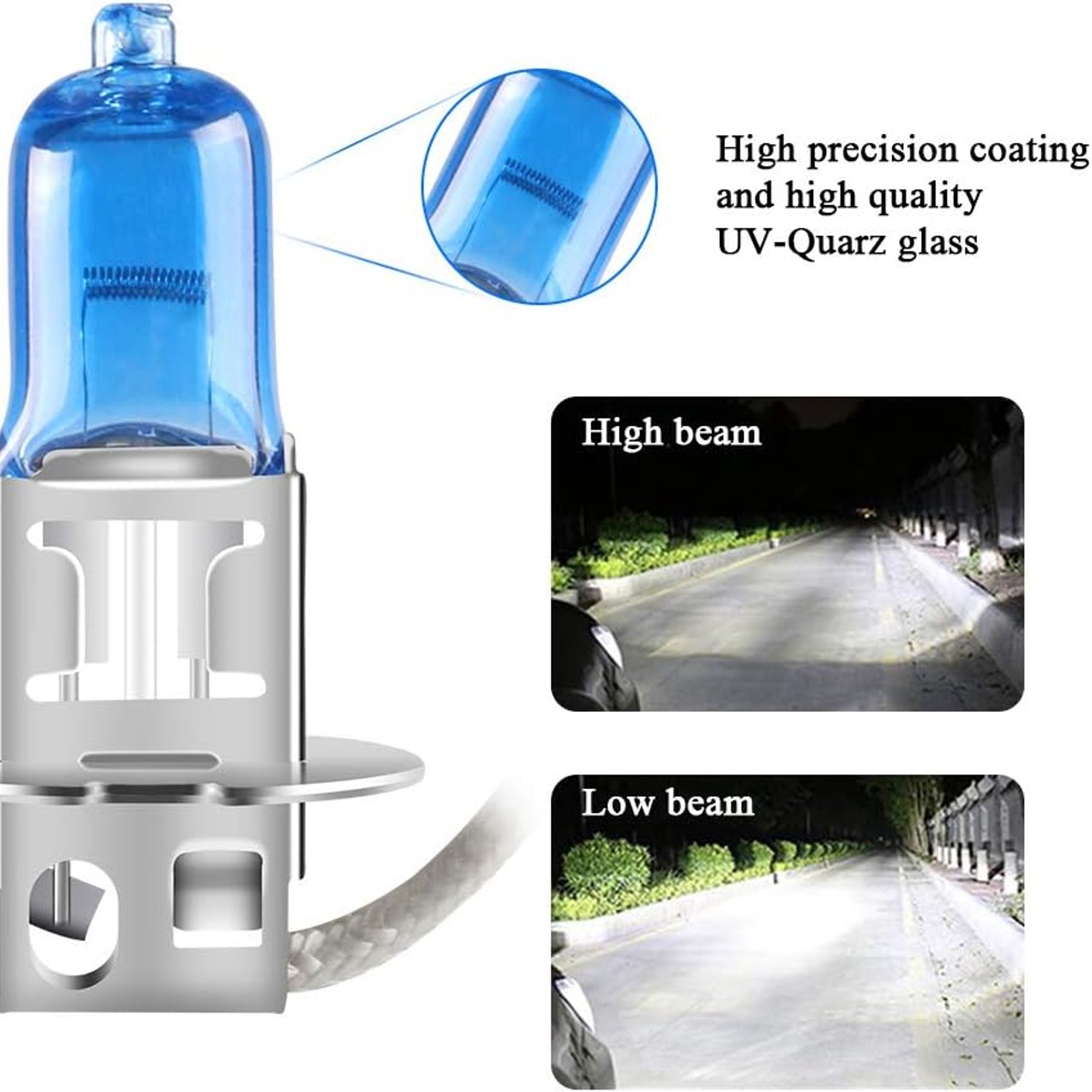
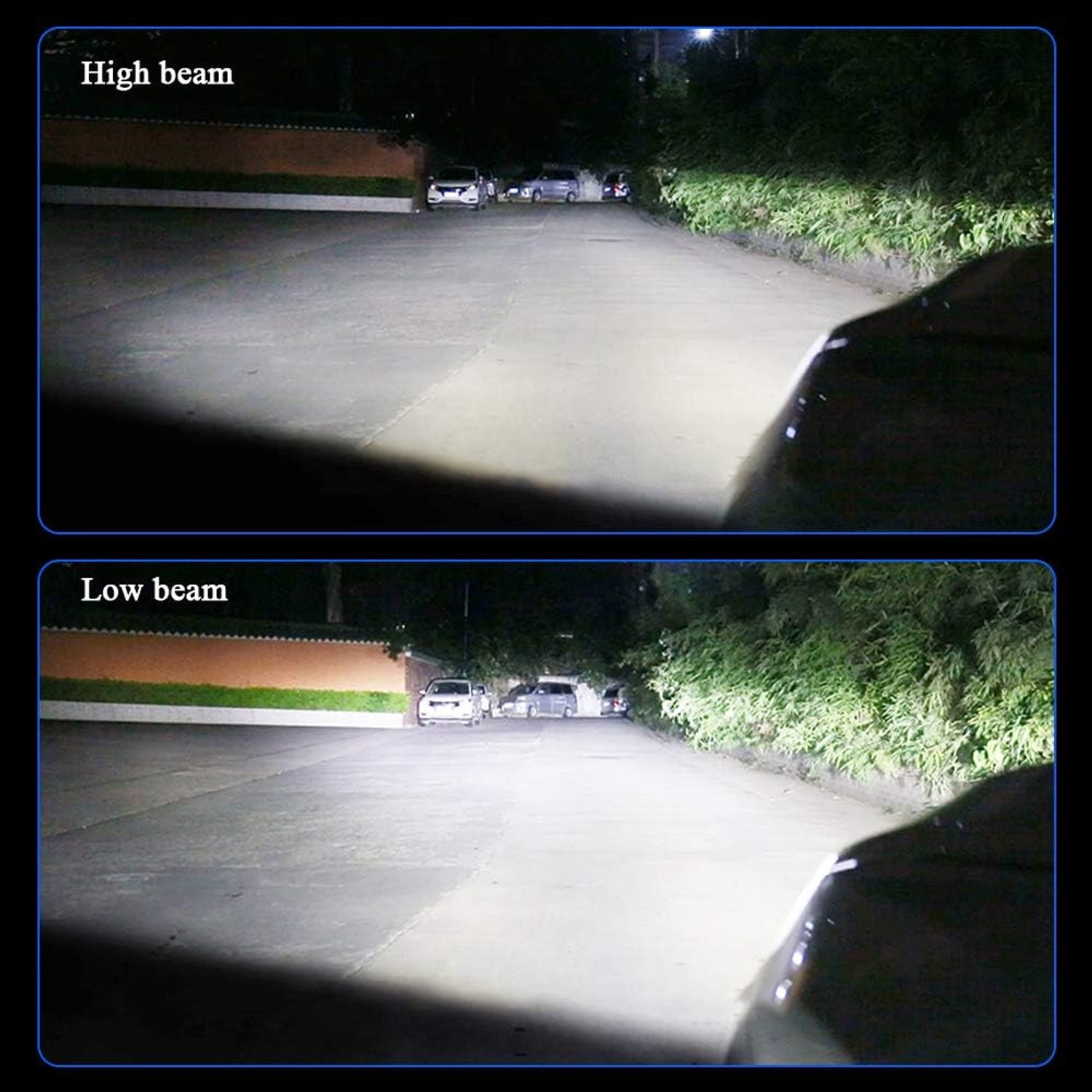
These globes are rated at 5000K. The blue top coat on the quartz glass filters out part of the warm end of the spectrum, so what comes out the front looks whiter. When the globe is off, you can see the tint on the glass. When it is lit, the light itself reads clean and white rather than blue.
Whether you prefer that is personal. Whiter light tends to make road signs and line marking pop, and a lot of drivers find it easier on the eyes on a long night drive. Warmer light is sometimes preferred in heavy rain or dust. Neither is wrong. What matters more is that both sides of the car match, which is a good argument for changing globes in pairs rather than one at a time.
Anyone quoting a precise "X percent brighter" number for a generic halogen globe is usually guessing.
Who these suit
They suit someone with a 12 volt vehicle that already uses an H3 globe and wants a straightforward replacement with a whiter light colour. That might be an older sedan or ute with H3 low beams, a four-wheel drive with H3 driving lights on the bar, or a car with factory fog lamps that have gone dim.
They also suit people who like keeping a spare in the car. Globes rarely fail at a convenient moment. Having a boxed replacement in the glovebox turns a potential problem into a quick roadside job with a torch.
They do not suit 24 volt systems. A 12 volt globe on 24 volts will not survive the first switch-on. If that is your requirement, check what the markings on your existing globe say and talk to us first.
How to choose and fit them
Start with the fitting. Pull the old globe and read it. If the marking is worn off, the owner manual will normally list globe types per lamp. Take a photo of the old globe before you throw it out, because it makes any follow-up question much easier to answer.
Check the system voltage. Almost every passenger car and light four-wheel drive is 12 volt, but trucks and some commercial vehicles are not.
Then plan the job. On some cars you can reach the globe through a hatch in the back of the headlight in two minutes. On others you need to remove a wheel arch liner or a section of the front bar. It is worth a quick look before you start so you are not halfway through with the car immobilised.
When you handle the globe, keep your fingers off the glass. Oil from skin left on a quartz envelope can create a hot spot once the globe reaches running temperature, and that shortens its life. Hold the metal base, or leave the globe in its plastic sleeve until it is in position. If you do touch the glass, wipe it with methylated spirits on a lint-free cloth and let it dry before fitting.
Seat the globe properly in its clip or collar. A globe that is not fully home can sit at a slight angle and throw the beam pattern off. Once both are in, switch the lights on and look at the pattern against a garage door or a flat wall. If it looks like it did before, you are done.
Care, heat and sensible habits
Halogen globes run very hot. That is how the technology works, and it is why you should never touch a globe that has just been switched off. Give it a few minutes to cool. Keep wiring, plastic trim and anything flammable clear of the globe body when you are reassembling.
Beyond that, there is almost nothing to maintain. Keep the outside of the lens clean, because a hazed or grimy lens will rob you of more light than a slightly aged globe will. If the beam starts looking dull, clean the lens first before you decide the globe has had it.
Store spares in the box, somewhere dry, and not rattling loose in a toolbox where the glass can get scratched or chipped.
The short version
These are two H3 halogen globes for 12 volt vehicles, 55 watts each, with a 5000K white tint from a blue-coated quartz envelope. They plug into the original H3 socket, so no wiring changes are needed. They suit headlights, driving lights and fog lights that already take an H3 globe.
Check the fitting on your old globe before you buy. Keep your fingers off the glass when you fit them. Let them cool before you touch them. And change both sides at once so your beam looks even.
If you are not certain the H3 is what your vehicle takes, send us a photo of the marking on your existing globe and we will tell you what we can see.