
The complete guide
Buying An HB3 9005 Halogen Globe, A Plain Guide
When one headlight stops pulling its weight
A dead headlight globe rarely announces itself. You find out when you flick the high beams on a dark road and only half the view lights up, or when someone behind you flashes their lights at a car park exit. Either way, the fix is usually small, cheap and quick, and the HB3 9005 halogen globe is one of the most common parts in that story.
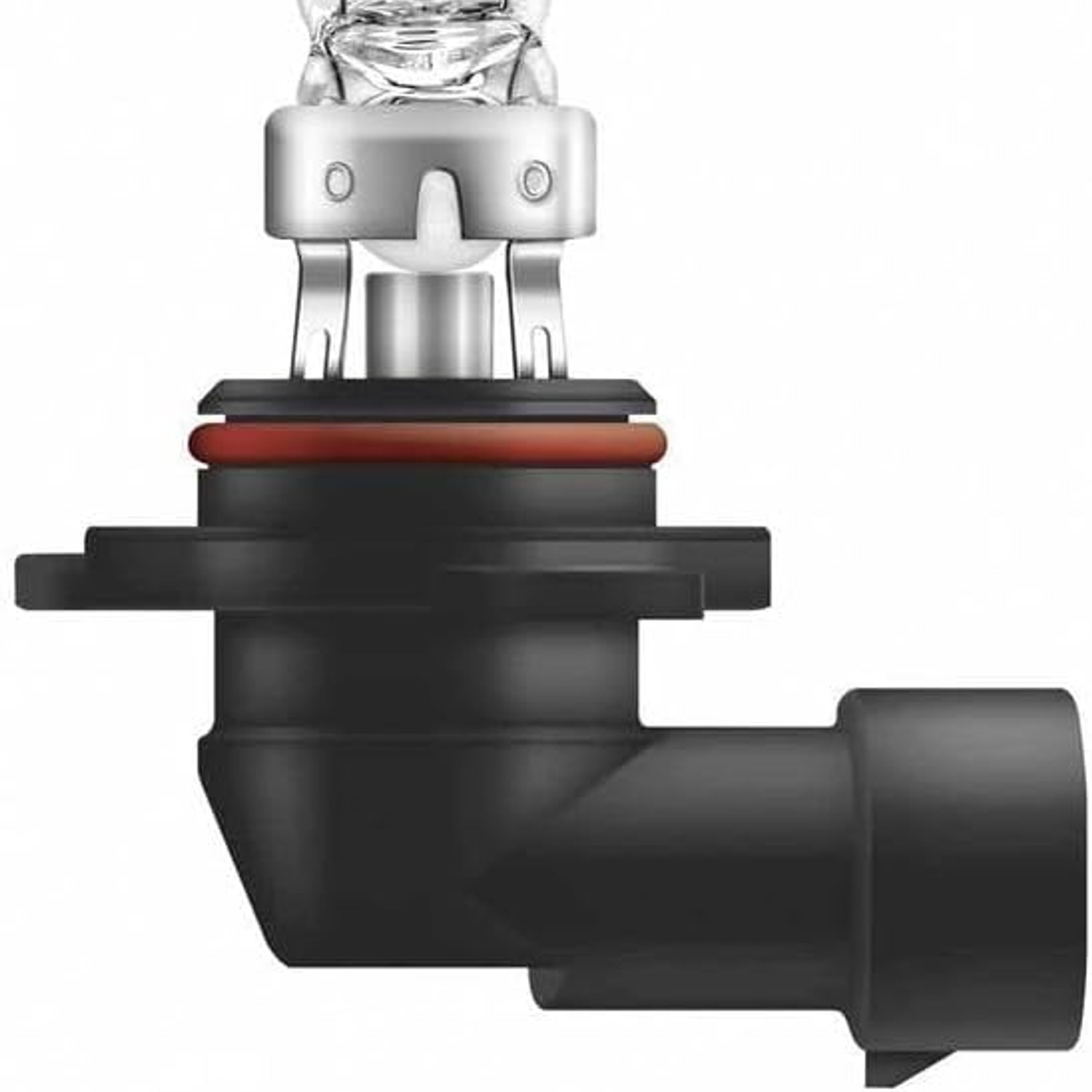
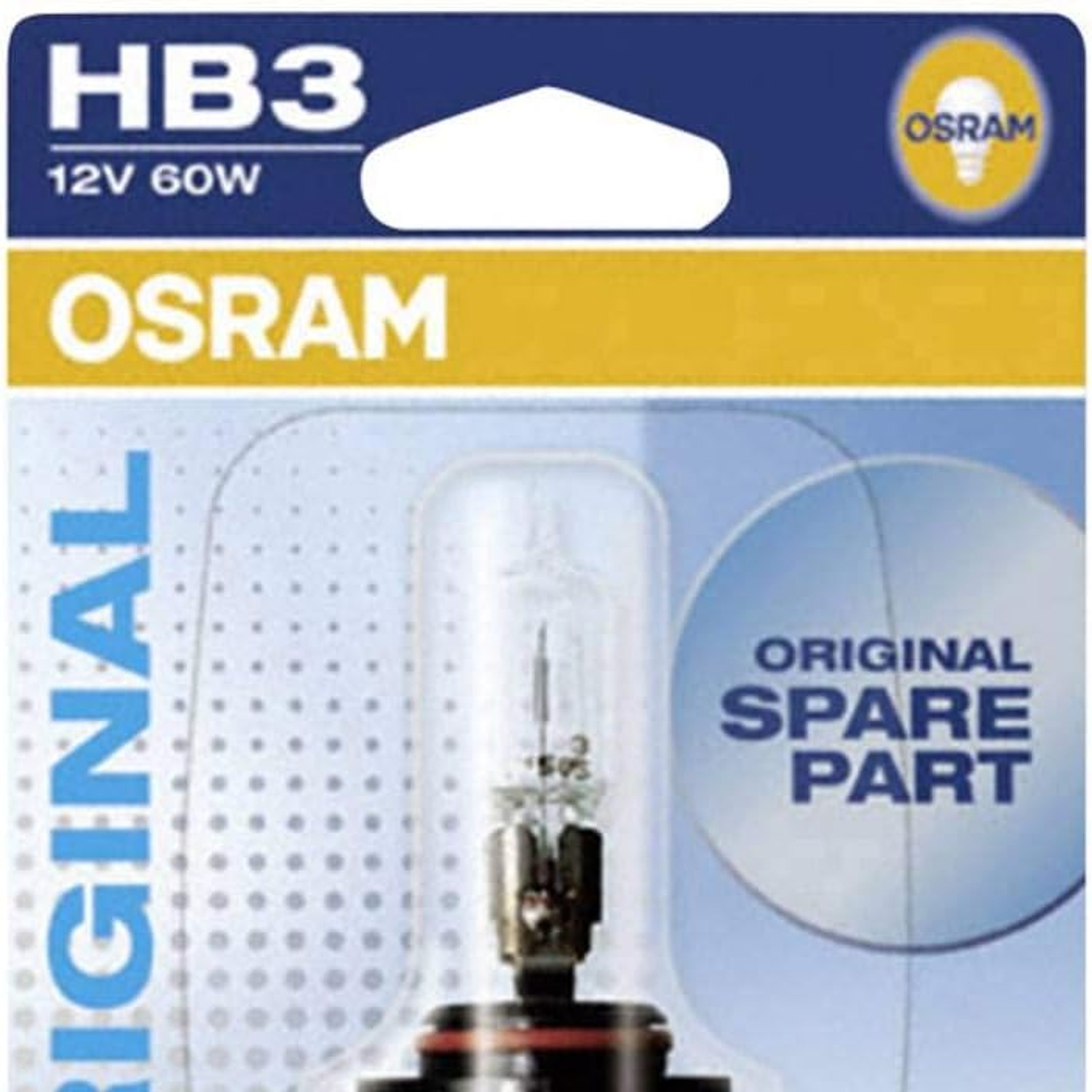
This page covers a single 12 volt, 60 watt halogen globe in the HB3 fitting. HB3 and 9005 are the same thing with two names, which is the first point of confusion for a lot of people. If your owner manual lists one number and the globe in your hand shows the other, you have not made a mistake. They are interchangeable terms for the same base shape.
What this globe actually is
Halogen globes work the way an old incandescent globe does, with a filament inside a sealed glass capsule, except the capsule holds a halogen gas. That gas lets the filament run hotter without wearing out as fast, which is why a halogen globe gives more light than a plain filament globe of the same size. The technology is old, well understood and cheap to replace, and that is precisely why so many cars still use it.
The figures here are straightforward. Twelve volts matches the standard passenger car electrical system. Sixty watts is the normal draw for this fitting. That is the full set of hard facts we hold.
The same honesty applies to approvals. If you specifically need a globe carrying a particular marking, look closely at the stamp on your existing globe and get in touch with us before ordering.
Working out whether it fits
Fitment on headlight globes is decided by the socket, not by the badge on the boot lid. This is why we list by fitting type only and never say a globe fits a named vehicle.
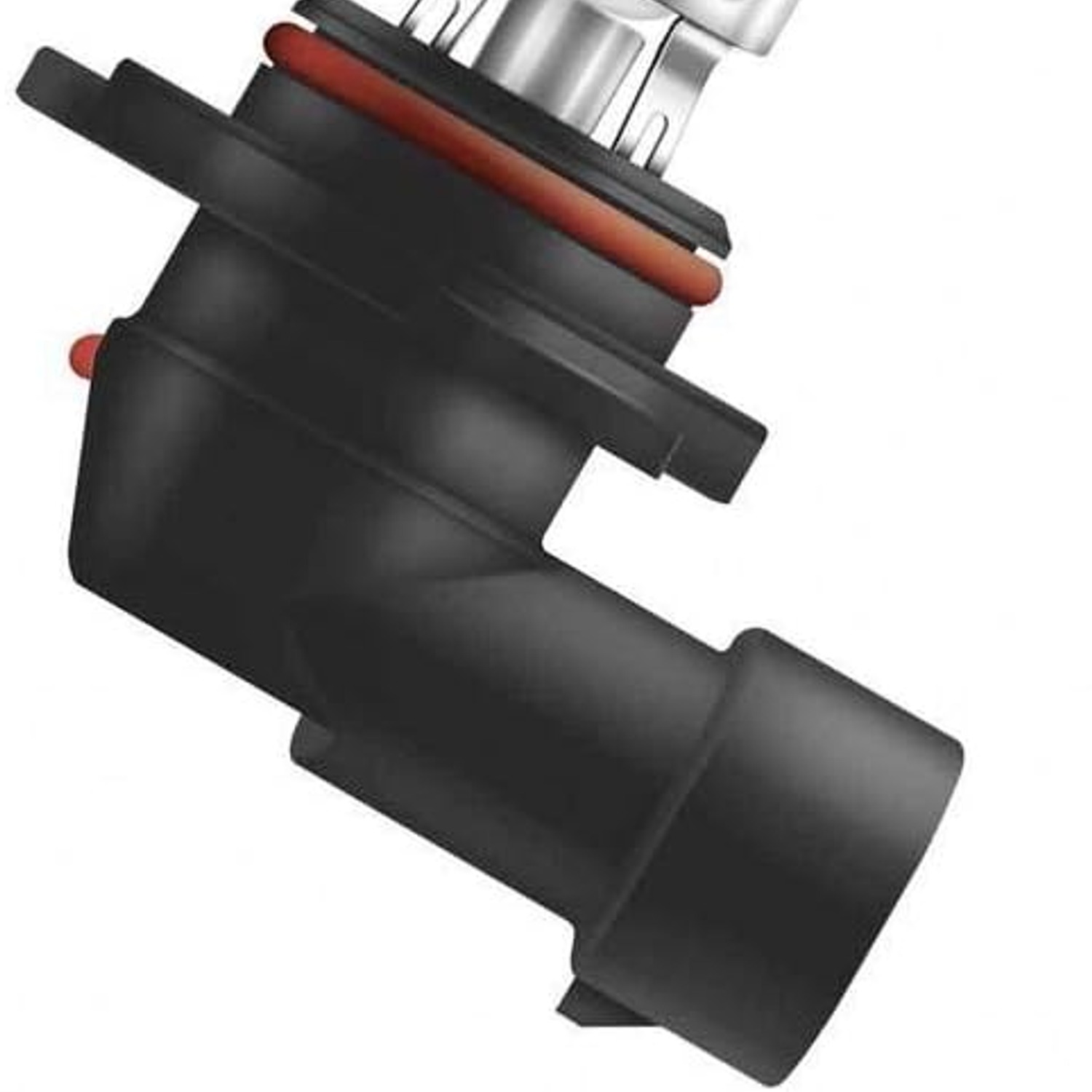
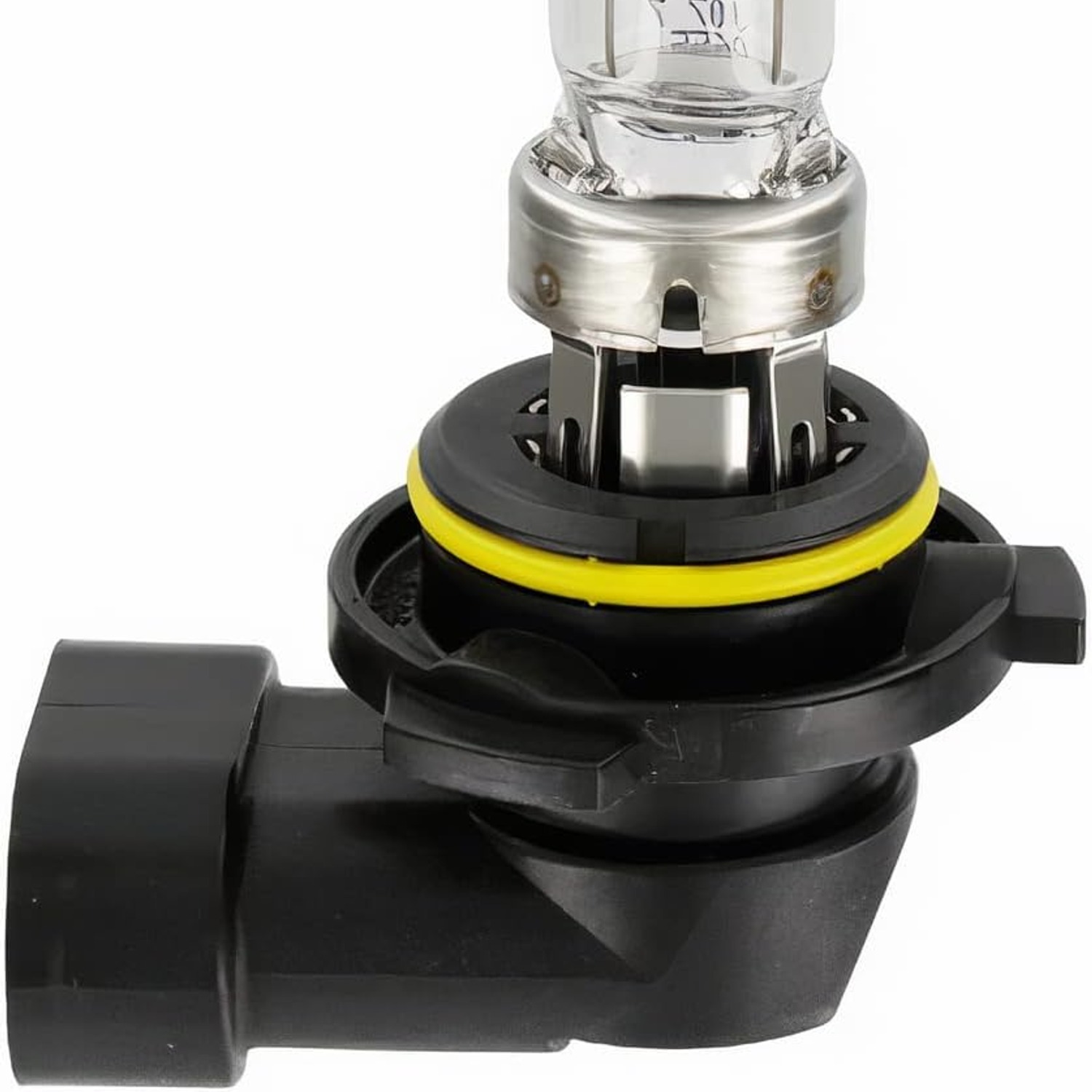
The reliable method takes about two minutes. Open the bonnet, find the back of the headlight housing, and remove the rubber boot or plastic cover. Unclip the connector, release the retaining clip or twist-lock, and pull the globe out. The code is printed on the metal collar or moulded into the plastic base. If it reads HB3 or 9005, this globe matches.
Back that up with the owner manual. If the manual and the old globe agree, you are done checking. If they disagree, someone has fitted a non-standard globe at some point, and it is worth asking us before you order.
One more thing worth knowing. HB3 is often used as the high beam globe in cars that run separate high and low beam globes, but not always. Note which socket you pulled it from so you put the new one back in the right place.
Why two is often the better number
This pack holds one globe. That is stated clearly because it catches people out. If you are only chasing one failed side, one globe is all you need. But there is a good argument for ordering two.
Both headlights on a car usually run the same hours over their life. They switch on together and off together, year after year. So when the first one goes, the second is often close to the same point. Replacing both means the beam looks even side to side, and you are not back under the bonnet in three months doing the whole thing again with cold hands. People searching for the best single headlight globe frequently end up buying a pair for exactly this reason.
There is also the spare option. A blister-packed globe sitting in the glove box or under the boot floor costs very little and solves a problem at the worst possible time. Just keep it in the sealed pack so the glass is protected.
Fitting it without causing trouble
Two rules matter more than anything else.
First, keep your fingers off the glass. Skin leaves a thin film of oil, and when the globe heats up that film creates a hot spot that can shorten the globe's life. Hold the globe by the metal base or the plastic holder. If you do slip and touch the glass, wipe it with methylated spirits on a lint-free cloth and let it dry fully before fitting.
Second, let things cool. Halogen globes get very hot in normal use and so does the housing around them. Switch the headlights off, give it a few minutes, and then start work. A pair of thin gloves helps with both rules at once.
Beyond that, the process is seat the globe, lock the clip or twist collar, reconnect the plug, and refit the cover or rubber boot properly so water stays out. Test before you close the bonnet. If nothing happens, check the connector is fully pushed home first, then check the fuse, then compare with the other side to see whether the fault sits in the globe or the circuit.
Some cars make this easy and some do not. A few vehicles need the air box shifted, the battery moved, or a wheel liner folded back to reach the globe at all. The manual will tell you which situation you are in before you start, which beats finding out halfway through.
While you are in there
A new globe will not help much if the lens in front of it has gone cloudy. Plastic headlight lenses yellow and haze with sun exposure, and the effect on the light reaching the road is real. If yours look milky, clean them with a product made for headlight plastic rather than an abrasive household cleaner.
It is also worth checking the beam aim after any headlight work. If the housing has been knocked or the globe sits differently, the pattern can shift. A flat wall and a level driveway are usually enough to tell you whether something looks off.
Care and storage
There is very little maintenance to a globe once it is in. The care is mostly about what you do before fitting and what you do with any spare.
Keep spares in their original blister pack. Store them somewhere dry and somewhere they will not be knocked around, because loose glass in a toolbox rarely ends well. Avoid leaving a globe rolling around in a door pocket where it bumps every speed hump.
When the day comes to fit it, the same two rules apply. Clean hands off the glass, cool parts before you start.
The short version
This is one HB3 halogen globe, 12 volts, 60 watts, origin listed as Germany, weighing 30 grams, supplied in a single blister pack. HB3 and 9005 are the same fitting.
Check the code on your old globe or in the owner manual first. Order two if you want both sides matching. Keep your fingers off the glass, let the old globe cool before you touch it, and the whole job is usually done before the kettle finishes boiling. If you are not certain about the fitting, send us a photo of the old globe and we will have a look with you.